Reading
Source (中文): 阅读篇
Intensive vs. Extensive Reading
Intensive reading
Short but dense writing is great for intensive reading—The Economist is a classic example.
If you skim an Economist-style article, you’ll only get the surface. The structure, subtext, and sharp opinions are where the value is.
Treat intensive reading like tasting: look things up, reread, and try to figure out why the author chose those words.
Extensive reading
Beautiful novels are perfect for extensive reading—Animal Farm, for example.
This is more about enjoyment. Sometimes the first few lines hook you so hard you can’t stop.
Don’t turn it into homework:
- no strict plan
- no rushing to “finish the book”
- go with your mood and enjoy it
Also: start with something manageable. Jumping straight into A Song of Ice and Fire is a fast way to get crushed by unknown words and quit.
Recommended English Books
To help you get started, here are a few books across different difficulty levels (inspired by various English-learning YouTube channels):
A famous political allegory and dystopian fable. Widely translated and adapted, and often recognized as one of the great political satires of the 20th century.
One of its best parts is the narrative voice. The protagonist’s logic is consistently mathematical, and that reasoning style drives the story forward.
There are many WWII stories, but Anne Frank’s diary remains one of the most moving. Her writing ability is genuinely impressive and makes this a great step-up read.
Needs no introduction. Don’t be allergic to popular fiction—this series has helped a lot of learners build reading stamina.
Emotionally powerful and hard to forget. It’s the kind of novel that can make everything else you read afterward feel a bit pale for a while.
It’s a book about writing, but also an excellent reading resource. The author teaches writing like a craft—clear, honest, and structured. This one is worth intensive reading, so it’s listed last.
If you’ve already read the Chinese translation of a book, it often helps a lot before you read the original English version.
WeChat Official Accounts
I rarely use WeChat, so I’ll only recommend two that I’ve actually read:
- 英文悦读
- 独霸上海的妖怪
If you have good recommendations, open an issue and I’ll consider adding them after reading.
How to Read English Documentation
When reading docs, you’ll inevitably hit new words. If you’re seeing more than ~5 unknown words in a small section, pause.
- write the words down
- look them up one by one
- try to remember them before continuing
For technical terms, be extra careful:
- read definitions and examples
- if you still don’t get it, search for good explanations (including Chinese blogs when useful)
If you use tools to pre-extract unknown words from a document and learn them first, reading becomes much smoother.
Kindle isn’t great for technical PDFs: fonts are often too small and it’s tiring for your eyes. An iPad usually works better.
Medium, Quora, Reddit, Hacker News, Stack Overflow
- Medium: great articles on tech, design, and life. Good for broadening your mind and improving execution.
- Quora: global Q&A. Top stories often have surprisingly moving answers.
- Reddit: the “front page of the internet”. News and gossip included.
- Hacker News: a must for people in tech.
- Stack Overflow: the place to solve technical problems.
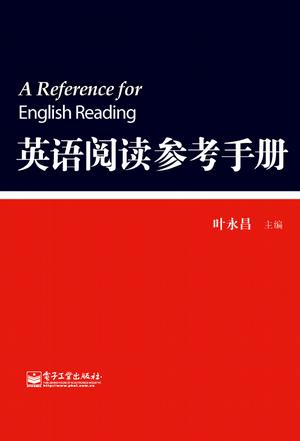
Reference Book